
This may seem obvious but being clear about what you hope to achieve should inform all the decisions you make in relation to who you work with and what you plan. In general, the intended outcomes of school-university partnerships fall into one or more of the following categories (see Glossary for definitions): recruitment; Widening Participation (WP); public engagement with research (including Impact work); staff or student volunteering opportunities (including experiential learning and civic university work); and research (including action research) e.g. into educational interventions. For example, your aims may be to:
• Foster a general understanding of what universities do and why this is important.
• Enrich a particular area of the curriculum.
• Increase attainment of underachieving pupils.
• Offer unique experiences that pupils will not get at school.
• Share your enthusiasm for your subject.
• Inspire pupils in a particular group (e.g. girls, those from low income families) in a particular subject.
Within universities ‘recruitment’ into Higher Education is often cited as the intended outcome for engagement, but it is equally valid to plan engagement activities with a different purpose. Even if the intended outcome is recruitment this in itself is not sufficient to plan for successful partnerships or activities that will achieve this. It is important to think about which of the above you hope to achieve and how you will do so. Please note this is not an exhaustive list.
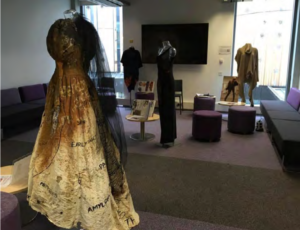
A fashion exhibition as part of the Teacher Zone at the UoS Science and Engineering
Day of work created in the Changing Minds Through Neuroscience project.